
By Evelyn Onyekonwu (IMS ’22)
Director, Joyful Haarlem Academy (Asaba, Nigeria)
Following the Protocols of Technology
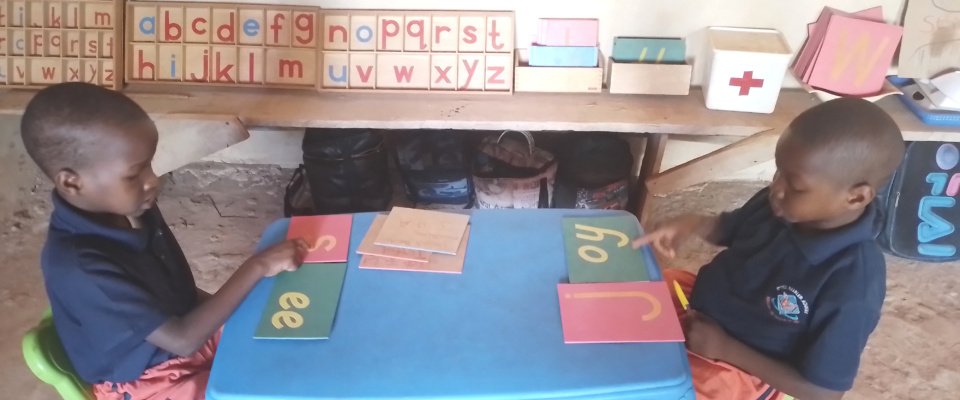
In a video, I showed parents how I presented a phonetic reading lesson, and in the process, the child used the phonetic sound of “e” to try to sound out the word “see”, Someone messaged me after seeing the video, saying the child shouldn’t be sounding the letter “E” twice.
I didn’t correct the child in that moment. Here’s why, based on the Technology of Scientific Education:
*1. Basis of Interest*
We teach when the child shows interest. The child was reading that word (see) on their own, using what he already knew. I didn’t prompt it. If I had jumped in with a correction, I’d be teaching against their interest, not with it.
*2. Don’t Correct a Child*
One of the protocols is to let the child flow with their own input. When you interrupt to correct, you break their flow and make reading feel unsafe. The mistake gets set aside for now. Interest and experience bring the correction later.
*3. Confirm Accuracy, Clarify and Expand*
When the child shows interest later, that’s when you give the short lesson. You don’t refer to the earlier mistake. You just teach it fresh.
Lee Havis, IMS director, suggested some specific language to explain to the child in using the protocol “Confirm Accuracy, Clarify and Expand” …
“Let’s sound out this word: see. S… ee. Yes, that’s the usual sound the letter ‘e’ makes. But when we put these two letters together, they make the sound of the name of the letter instead — so we say ‘s…ee’.”
That’s the application of ‘don’t correct the child’ plus ‘confirm accuracy, clarify and expand’. You confirm the usual sound, clarify what happens in this case, and move on without drawing attention to the prior error.
The goal isn’t to make them perfect right now. It’s to keep their interest alive so they keep reading and start correcting themselves naturally.